
Maybe it's a deck post that gives a little too easily, a windowsill that's gone soft, or a beam in the crawl space that just doesn't look right. You pop it open, and there it is: damaged wood. Your mind probably jumps straight to termites, since that's the pest everyone dreads hearing about. Take a breath first. Plenty of wood damage in New Jersey homes actually comes from carpenter ants, not termites, and the fix — along with how urgently you need it — depends on which one you're actually dealing with. The good news is that the wood itself usually tells you the answer, once you know what to look for.
What Carpenter Ant Damage Actually Looks Like
Carpenter ants get an undeserved reputation, but here's a fact that surprises a lot of homeowners: they don't actually eat wood. Instead, they chew through it to carve out smooth tunnels and galleries where the colony nests. Run a finger inside one of those galleries and it often feels almost sanded, clean, and it tends to run right along the wood grain. Since nothing is being eaten, the debris has to go somewhere. That's why you'll often find small piles of coarse, sawdust-like frass pushed out near a tiny opening in the wood. Look closely and that frass is frequently mixed with tiny bits of insect body parts, since the colony is essentially housekeeping as it digs.
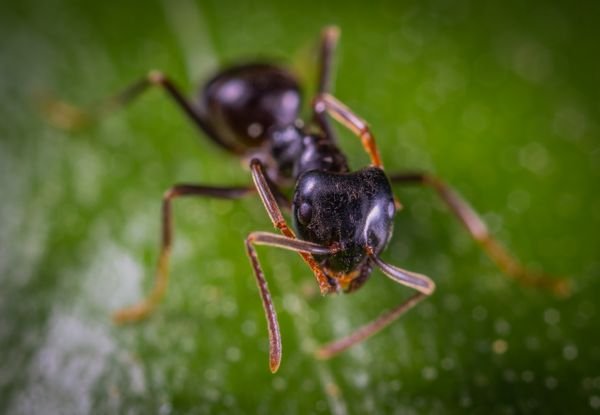
What Termite Damage Actually Looks Like
Termites, on the other hand, are eating the wood — cellulose is literally their food source, not just a place to crash. Because of that, the damage tends to go deeper and usually keeps progressing as long as the colony stays active. The galleries often follow the grain too, similar to what we described above, but the inside typically looks dirty or muddy rather than clean. That's because soil gets carried in during tunneling. Pry open a damaged section and you may notice a layered or honeycombed pattern inside, a result of how the wood gets hollowed out during feeding. It's a subtle difference on paper, but once you've seen both side by side, it's fairly easy to spot.
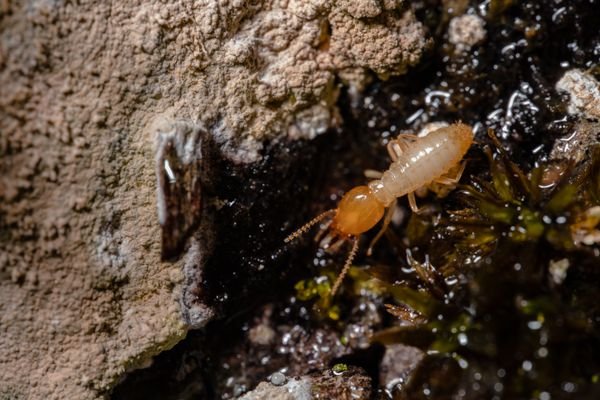
The One Sign Termites Have That Carpenter Ants Never Do
If you only remember one thing from this post, make it this: mud tubes. Because of their connection to the soil, termite colonies build narrow, pencil-width tunnels made of mud and saliva that run along your foundation, connecting the ground to whatever wood is being fed on above. Find one of those on a foundation wall, and carpenter ants are off the hook — full stop. They never build mud tubes, since they don't need soil contact to survive the way their wood-eating counterparts do. So if you're looking at damaged wood but no mud tubes anywhere nearby, the ants are the more likely suspect.
Either way, both point to a real problem worth taking seriously. Termites are generally the more destructive of the two over time, since they're actively consuming the wood as food rather than just excavating it for shelter while they get their meals elsewhere. If you've spotted mud tubes, or you're just not sure what you're looking at, a termite inspection can settle it quickly. And if the evidence points to ants instead, carpenter ant exterminator services can stop the colony before it spreads to more of the structure. Homeowners looking into ant control in Morristown often start exactly here, with a damaged windowsill or deck post and a lot of uncertainty about which pest is actually behind it.
Side-By-Side: Comparing The Damage
Sometimes it helps to see it all laid out at once. Here's a side-by-side comparison of the damage each pest leaves behind, including the one giveaway sign that only one of them produces.
| Sign | Carpenter Ant Damage | Termite Damage |
|---|---|---|
| What They Do To Wood | Excavate it to build nesting galleries — they don't eat it | Eat it — cellulose is their actual food source |
| Gallery Appearance | Smooth and clean inside, almost sanded, following the wood grain | Dirty or muddy inside, often layered or honeycombed when opened up |
| Debris Left Behind | Coarse, sawdust-like frass pushed out of small openings, often mixed with insect body parts | Little to no visible frass — soil is carried in, not pushed out |
| Mud Tubes On Foundation | Never — carpenter ants don't build them | Yes — pencil-width mud tubes connecting soil to the wood being fed on |
| What They're Feeding On | Other food sources; the wood is shelter, not food | The wood itself, continuously, as long as the colony is active |
Whichever pest turns out to be behind the damage, don't wait it out. Wood damage doesn't heal itself, and neither insect tends to pack up and leave on its own. If you're already fairly confident about which one you're dealing with, termite treatment gets ahead of a colony before more structural damage piles up, or our team can trace an ant colony back to its source and shut it down for good. We work with homeowners across Essex, Morris, and Bergen counties, including plenty of ant treatments in Verona, and we're always happy to take a look before you spend money guessing. A quick inspection now is a lot cheaper than a wood repair bill later, so if you're staring at damaged wood and still not sure what's behind it, reach out and we'll figure it out together.