
So the bites finally add up, you flip the mattress, and there they are — bed bugs, confirmed. Right behind that gut-punch moment comes a second one: heat or chemicals? Plenty of articles pick a side and stop there, but we'd rather give you the real picture. Below is a straightforward comparison of how each method actually works, what it costs in time and money, and which one tends to fit your home better.
How Heat Treatment Actually Works
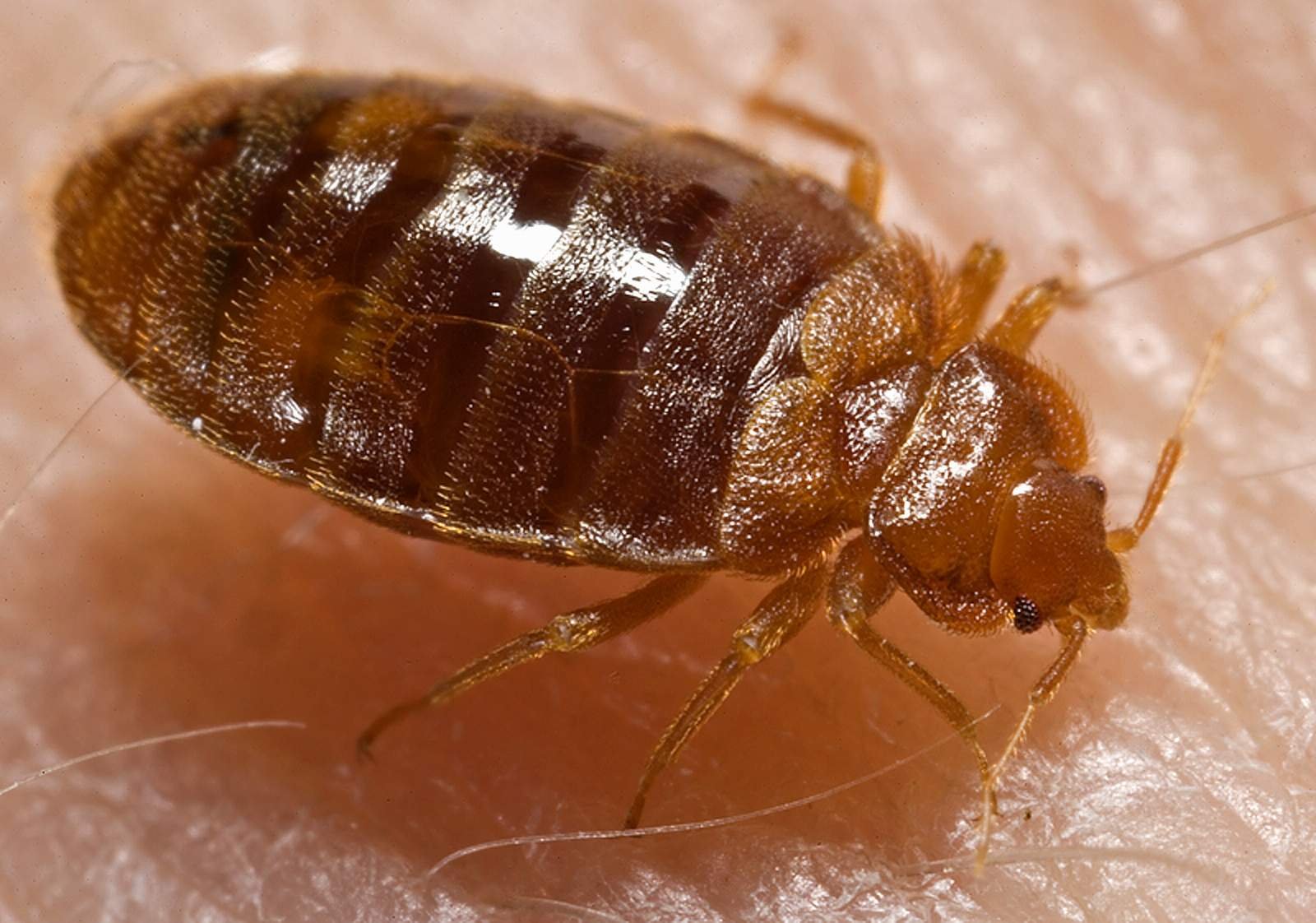
Heat works exactly like it sounds. Technicians bring in specialized equipment and raise the temperature inside a room, or sometimes an entire unit, into the roughly 120-135°F range. That warmth has to hold steady long enough to actually reach into mattresses, box springs, furniture seams, and even wall voids, since these pests love to tuck themselves into tight cracks. Because it penetrates every one of those hiding spots, this method kills them at every life stage — eggs, nymphs, and adults alike. That's the biggest strength here: since eggs die too, a single day can often resolve the whole infestation. On the practical side, it does call for some prep. Heat-sensitive items, like certain electronics, cosmetics, and candles, typically need to come out of the space beforehand, and the setup itself takes equipment most homeowners don't have lying around.
How Chemical Treatment Actually Works
This method takes a more targeted approach. EPA-registered insecticides get applied directly to cracks, seams, baseboards, and the other spots where these pests hide during the day. It's precise, and it doesn't require any special room prep or equipment. However, there's a catch — the products generally don't kill eggs very effectively. That means a single application can leave a few eggs behind, and those hatch into a new batch of bugs a week or two later. As a result, this option usually means multiple visits — often two to three, spaced a couple of weeks apart — timed specifically to catch newly hatched bugs before they mature and start the cycle over. On the upside, it tends to be more budget-friendly upfront, and it leaves behind a residual effect that keeps working on bugs that wander through the treated area even after the technician leaves.
Side-By-Side: Speed, Visits, And Cost Factors
Here's how the two methods stack up when you put them next to each other:
| Factor | Heat Treatment | Chemical Treatment |
|---|---|---|
| Kills Eggs? | Yes — effective against all life stages, including eggs | Not reliably — eggs often survive a single application |
| Typical Number Of Visits | Usually just one | Often 2-3, spaced a couple of weeks apart |
| Speed To Resolve | Faster — frequently resolved in a single day | Slower — extra visits are needed to catch hatching eggs |
| Room Prep Needed | Yes — heat-sensitive items removed, specialized equipment required | Minimal — no special equipment or setup needed |
| Residual Protection After Treatment | None once the room cools back down | Yes — residual effect keeps working after the visit |
As that table shows, speed and cost pull in opposite directions. Heat tends to resolve things faster overall because it's often a single-visit job that reaches every life stage at once. The chemical route takes longer since it needs those follow-up visits to catch eggs as they hatch, but it does hold one advantage heat doesn't: a residual effect that keeps protecting the treated surfaces for a good while after the appointment ends, which gives homeowners some extra peace of mind between visits.
Which One Actually Fits Your Situation
So which one is right for you? If you need this resolved fast — maybe you're hosting guests soon, or you simply can't stomach the idea of multiple visits — bed bug heat treatment is usually the better call, since it clears eggs and adults in one shot. If your budget is tighter, or the infestation is small and confined to a room or two, chemical treatment might make more sense instead; just plan on sticking with the full visit schedule rather than stopping after the first appointment. Either way, the smartest first move is having a bed bug exterminator actually look at the scope of the problem before you commit to either approach. That's exactly what a bed bug inspection is for — it tells us how far things have spread and which method will realistically solve it fastest in your home.
At EcoFusion, we won't push one method just because it's what happens to be on the truck that day — we'll walk you through both options honestly and recommend whichever one gets you back to a normal night's sleep soonest. And bed bugs aren't the only thing we handle; whether it's ant control in Randolph or rodent control in Parsippany, our licensed team covers pest problems across Northern NJ. If that's the issue you're facing right now, reach out and let's figure out the right plan together.