
Something with wings just fluttered out of a window frame, or you noticed a little swirl of them near a light fixture, or worse, they're coming straight out of a crack in the wall. Your first instinct is probably to grab a shoe. Your second instinct should be to stop and take a closer look, because what's actually swarming matters — these two look-alikes mean very different things for your house, and mixing them up can send you chasing the wrong fix entirely. Here's how to sort out which is which in under a minute, no magnifying glass or entomology degree required.
Meet The Termite Swarmer
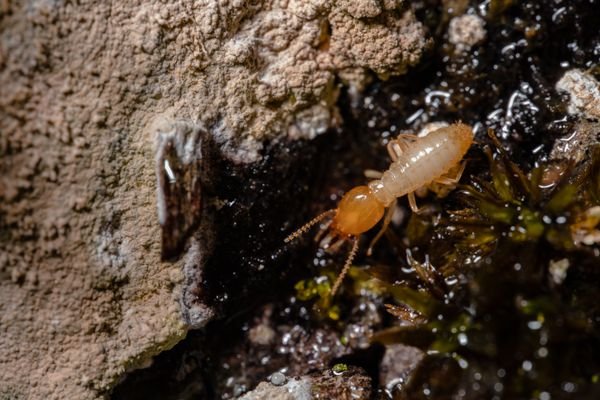
This one rarely shows up alone. Spot it flying, and you're almost always looking at a swarm — a batch of winged reproductives leaving an established colony to go start a new one somewhere else. In New Jersey, the common subterranean species tends to swarm in spring, often right after a warm day with a little rain, which is exactly the kind of weather that nudges them up out of the soil and toward daylight.
Look closely and it's dark brown to black, with pale, almost see-through wings. Both pairs are the same size and shape, and they're noticeably longer than its own body. The antennae are straight, almost like a tiny string of beads. And there's no real waistline to speak of — the thorax runs straight into the abdomen with barely a pinch anywhere along the way.
Meet The Flying Ant
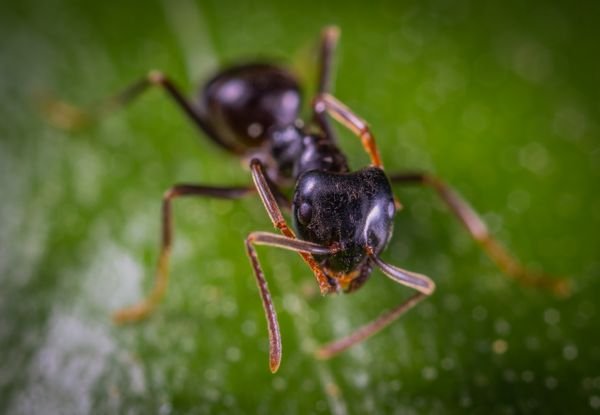
The other kind is simply a winged version of a bug you already know, out on what's called a nuptial flight — a mating swarm that also tends to happen on warm days, just later in the season. In NJ, carpenter colonies are the big, dark ones homeowners run into most, and they usually swarm from late spring through summer.
The wings are the giveaway once you know what to check: two pairs, but the front set is clearly bigger than the back set, not matched like its cousin's. The antennae bend sharply, almost like an elbow, instead of running straight. And the waist pinches in tight between the thorax and abdomen — the same narrow shape every one of these insects has, just with wings attached for the flight. This particular pest is usually black or reddish-black.
Side-By-Side: The Fastest Way To Tell Them Apart
Still not sure which one is on your windowsill? Here's the fast version, laid out side by side so you can check it in a glance.
| Feature | Termite | Flying Ant |
|---|---|---|
| Antennae | Straight and beaded, like a string of beads | Bent, "elbowed" |
| Wings | Two pairs, equal in size and shape, much longer than the body | Two pairs, unequal — front pair noticeably larger than the back pair |
| Waist | Thick and broad, no visible pinch | Narrow and distinctly pinched |
| Body Color | Dark brown to black, with pale, translucent wings | Black or reddish-black (common carpenter ant) |
| Common Swarm Season | Spring, especially warm days after rain | Late spring through summer |
If you only remember one comparison, make it the wings and the waist. Those two features rarely leave room for doubt, even with a whole swarm buzzing around your porch light at once.
Why It Actually Matters Which One You Found
This isn't just a fun identification exercise. Find the first kind swarming indoors and it almost always means there's an active colony very close by, sometimes already inside a wall or under the floor. That's worth taking seriously, and it's exactly the kind of situation where a professional termite inspection earns its keep — a trained eye can confirm what's actually happening before any real damage adds up.
Find the other kind swarming inside, and it points to something just as real. These insects only swarm from a colony mature enough to reproduce, so seeing winged ones indoors means there's an established nest somewhere on the property, maybe in a damp sill plate, an old stump, or a section of moisture-softened wood. That's a job for carpenter ant control rather than a can of spray, since the swarmers you can see are just the visible tip of the colony.
Ready For A Straight Answer?
Either way, the swarm you found is a messenger, not the actual problem. Both hide the real colony out of sight, which is exactly why guesswork rarely solves anything long-term.
At EcoFusion, we start by confirming exactly what we're dealing with, then match the fix to it — from termite treatment options built around an active colony, to programs built around where the other kind actually nests. We provide ant control in Madison and ant treatments in Denville as part of our regular coverage across Northern New Jersey, and the same licensed team can be at your door just as fast either way. Found a swarm and want a clear answer today? Reach out and we'll help you sort it out.